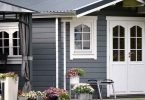
Have you ever looked at a home and felt drawn to its backyard or front garden? Maybe it was the cozy patio, the trees lining the property, or the wide-open space for your kids to run around. Outdoor areas are often the first thing people see, and they leave a lasting impression. But beyond the good looks, outdoor spaces hold lasting value in real estate.
In this blog, we will share why outdoor spaces matter in real estate and how they bring long-term value to homeowners and buyers alike.
Curb Appeal and First Impressions Matter
When someone pulls up to a home, the outdoor area is the first thing they see. A well-maintained lawn, trimmed bushes, and a tidy walkway can make a home look cared for and welcoming. This is what real estate agents call “curb appeal,” and it plays a big role in shaping how people feel about a property. A positive first impression can influence whether a buyer wants to see more or walk away.
Over time, outdoor spaces become even more important in neighborhoods where homes are similar in size and layout. A beautiful yard or garden can set a property apart. It can give it character and warmth.
Outdoor Living as an Extension of the Home
Many homeowners now see their outdoor areas as another room of the house. Instead of just a place to park the car or let the dog out, the yard becomes a space to relax, entertain, and enjoy time with family. Patios, decks, and outdoor kitchens have become popular upgrades.
When looking for a home, buyers often imagine how they’ll use the backyard. Will it be a spot for weekend BBQs or quiet coffee in the morning? If the space is ready to use and in good condition, it adds appeal. And if a buyer is applying for a home loan, a home with strong outdoor features can help support the overall value of the property. Lenders may be more confident in the property’s worth, which can help move the loan process along more smoothly.
Health and Wellness Benefits
Spending time outside supports physical and mental health. Fresh air, sunlight, and a connection to nature can help reduce stress and improve mood. Many people enjoy gardening, walking barefoot on grass, or simply listening to birds. When outdoor space is easy to access and inviting, people are more likely to spend time there. This everyday use creates a deeper sense of comfort and well-being at home.
As more people look for ways to live healthier lives, homes with outdoor areas stand out. Families may want safe spots for kids to play. Older adults may want peaceful places to sit and rest. These features don’t just add charm—they make a difference in how people live. A property that supports wellness is one that people are likely to stay in longer and value more over time.
Return on Investment for Outdoor Upgrades
Adding features like patios, decks, or gardens can be a smart investment. While not every outdoor project brings back the full cost, many improvements help raise the property’s value. A simple fire pit or seating area can make a backyard more usable. Even basic landscaping, such as planting grass and shrubs, can lead to a better sale price. Buyers are often willing to pay more for homes that are move-in ready, inside and out.
Real estate experts often mention that outdoor upgrades offer one of the best returns for homeowners. This is especially true when the changes are practical and easy to maintain. You don’t need a luxury pool to increase value—sometimes, less is more. Focus on features that people can use often and that look good year-round. These kinds of improvements continue to pay off as trends shift and preferences change.
Environmental and Energy-Saving Features
Today’s buyers care more about the environment. They look for homes with features that support green living. This can include things like native plants, rainwater systems, or shade trees that help lower cooling costs. Outdoor spaces that are both beautiful and functional draw in more interest. They show that the homeowner has thought about long-term use and savings.
In areas where summers are hot, trees and covered patios offer natural cooling. This can reduce the need for air conditioning. Likewise, a well-placed garden can support a more self-sufficient lifestyle. Homes that support these ideas often sell faster and attract thoughtful buyers. Over time, these environmental features can save money and support healthier living.
Outdoor Spaces and Community Connection
Outdoor areas also help people feel more connected to their neighborhoods. A front porch gives neighbors a reason to stop by and say hello. A shared garden space or open yard can host birthday parties or cookouts. These simple moments build stronger communities. When people know their neighbors, they feel safer and more settled. This sense of connection adds value that goes beyond money.
For families, outdoor spaces help kids meet others and build friendships. For adults, having room to socialize nearby adds ease to everyday life. Buyers often picture how they will fit into a community when they tour a home. If the yard or outdoor setup supports that feeling of connection, it can help close the deal. These soft benefits may not be easy to measure, but they are powerful in shaping how people choose a home.
In conclusion, outdoor spaces offer more than just a nice view—they shape how we live, connect, and enjoy our homes. Whether it’s hosting friends, caring for plants, or relaxing after a long day, these areas add value in ways that last. They make homes feel complete, welcoming, and ready for life. When you invest time or money into your yard, you’re not just making it pretty—you’re building something that matters.